 Braskem Global
 Braskem Idesa
 Braskem USA
 Braskem Europe




First renewable trash bag launched in Chile
Faced with the challenge of offering environmentally friendly products, Braskem presents for the first time in Chile a trash bag produced with I'm GreenT green polyethylene, made from sugarcane, a renewable raw material.
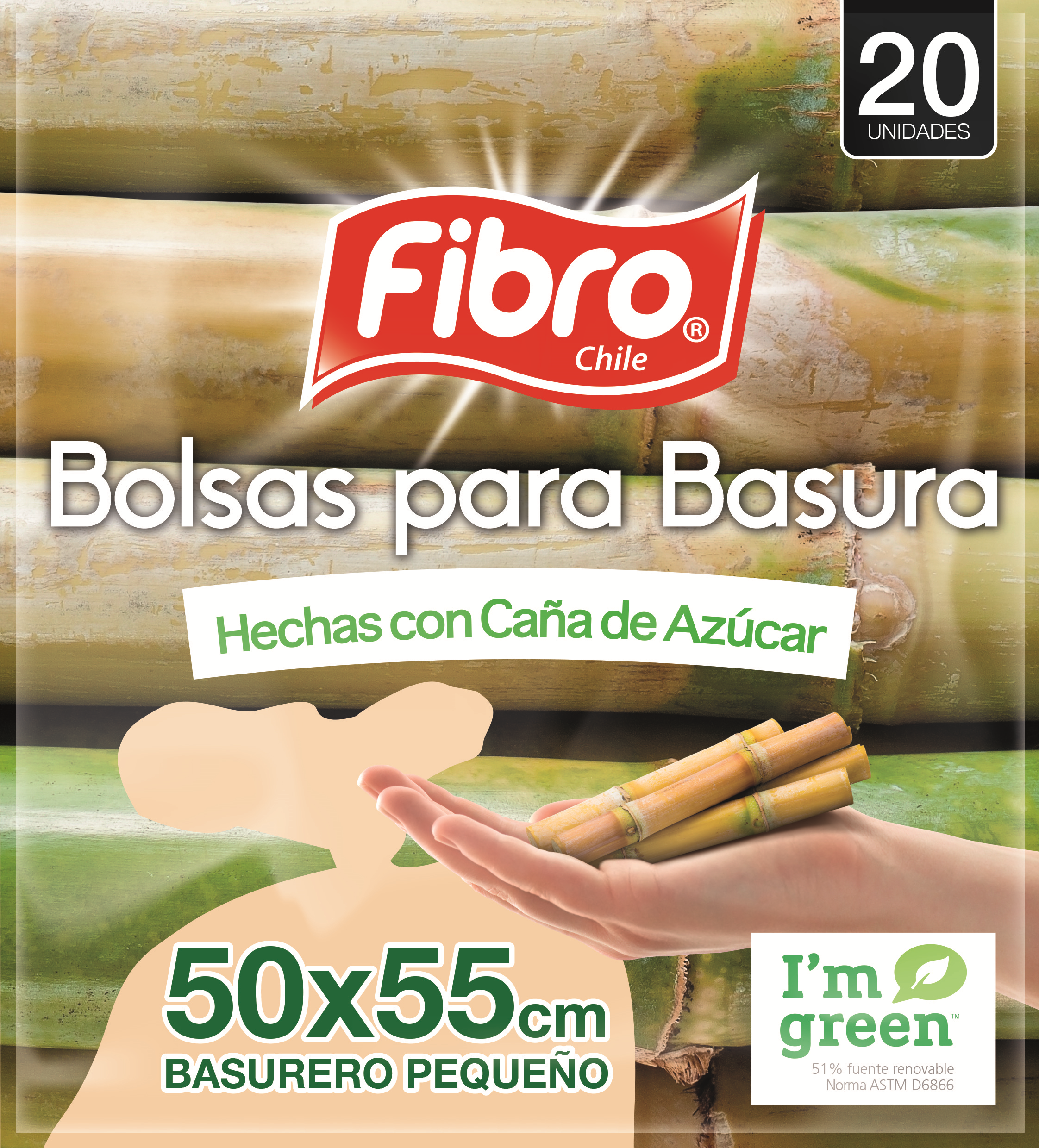
Faced with the challenge of offering environmentally friendly products, Braskem, a global leader in the production of biopolymers, presents for the first time in Chile a trash bag produced with I'm greenTM green polyethylene , made from sugarcane, a renewable raw material.
Although this input has the same technical properties, appearance and versatility of traditional biopolymers of fossil origin, such as oil and natural gas, its main differentiator is the fact that it captures and fixes CO2 from the atmosphere, helping to reduce greenhouse gas emissions. According to a study by ACV Brasil , 3.09 kg of CO2 are captured for every kg of Green Plastic produced.
"We are aware of the growing environmental and global concern and, as part of this industry, have taken on a voluntary commitment to join the Circular Economy in order to improve the lives of people, creating sustainable solutions in the industry. In this context, our main challenge is to develop businesses that are aligned with the care for the environment. This challenge is addressed precisely with the creation of green plastic, in which we are pioneers," said Gustavo Sergi, Director of Renewable Chemicals at Braskem.
This first green polyethylene trash bag will be marketed by Fibro Chile SA , a company dedicated to the manufacturing, import and distribution of a wide range of cleaning and hygiene products. "We have decided to incorporate this input, as it is in line with the quality, innovation and pioneering approach of the products we offer," said the Fibro representatives.
Braskem began manufacturing green polyethylene in 2010 , at its plant located in the Triunfo Petrochemical Complex, in the state of Rio Grande do Sul (RS), in Brazil. The production process begins with the harvesting of sugarcane, a crop that captures CO2 from the atmosphere in its natural process of photosynthesis for its growth. The sugarcane is then referred to the factory for the process of grinding and conversion into ethanol, to later be dehydrated and converted into green ethylene and then green plastic. At this stage, it is transferred to third-generation companies, referred to as processing or conversion companies, where they will be transformed into containers, bags and packaging made I'm greenTM green polyethylene.
For more information related to press, please contact:
Giusti Comunicação
Braskem@giusticom.com.br
Related News


Se você é um profissional da imprensa, a Braskem tem um canal feito só pra você.
Acesse aquiPress Releases
More news
Integration among industry, brands, and cooperatives drives plastic recycling in Brazil

Braskem reports recurring EBITDA of BRL 1 billion in 1Q26 and net income attributable to shareholders of BRL 1.4 billion, exceeding 4Q25

Braskem Celebrates Naming of Beautiful Future and Blooming Future, Next-Generation Tankers for Cleaner Global Trade

Braskem to become the first chemical company in Brazil to receive the Verde Brasil Label

Braskem reports recurring EBITDA of USD 109 million (BRL 589 million) in 4Q25, impacted by prolonged global industry downturn

Premium 100 Gasoline enters the market for high-performance engines
Customers
Become a Braskem customer
Braskem is one of the largest suppliers of chemical and petrochemical products in the world, recognized for its focus on sustainable development, innovation and quality.
We believe in lasting partnerships, we have a broad portfolio of products and we work together with our customers to create new practical and sustainable solutions in all markets.
Talk to our sales team