 EN
EN


Mobility Projects Move Forward in Maceió with Completed Deliveries and New Sections Under Construction

Construction and rehabilitation of roads, sidewalks, bike lanes, and infrastructure to improve traffic flow are among the actions agreed upon by authorities and Braskem.
Maceió, February 5, 2026 - Urban mobility improvement projects in Maceió, carried out by Braskem, continue to move forward and are already part of the daily routine of drivers, cyclists, and pedestrians across different areas of the city. Sections of Durval de Góes Monteiro Avenue and Menino Marcelo Avenue have been expanded with the construction of new parallel lanes. These two major traffic corridors are also gaining a new connection through the construction of the Connecting Road. In the Bebedouro neighborhood, Chã da Jaqueira, and the surrounding areas, many streets have received new pavement.
Altogether, the planned actions include more than 33 kilometers of streets and avenues either rehabilitated or newly built, over 25 kilometers of accessible sidewalks, and 11 kilometers of bike lanes, as well as public lighting, drainage systems, traffic signage, and smart traffic lights. Considered one of the city's main transportation corridors, Durval de Góes Monteiro Avenue remains under construction. The entire length of the avenue will be expanded, increasing from three to five traffic lanes in each direction, for a total of ten lanes. Once fully completed, the expansion is expected to increase the avenue's capacity by approximately 60%.
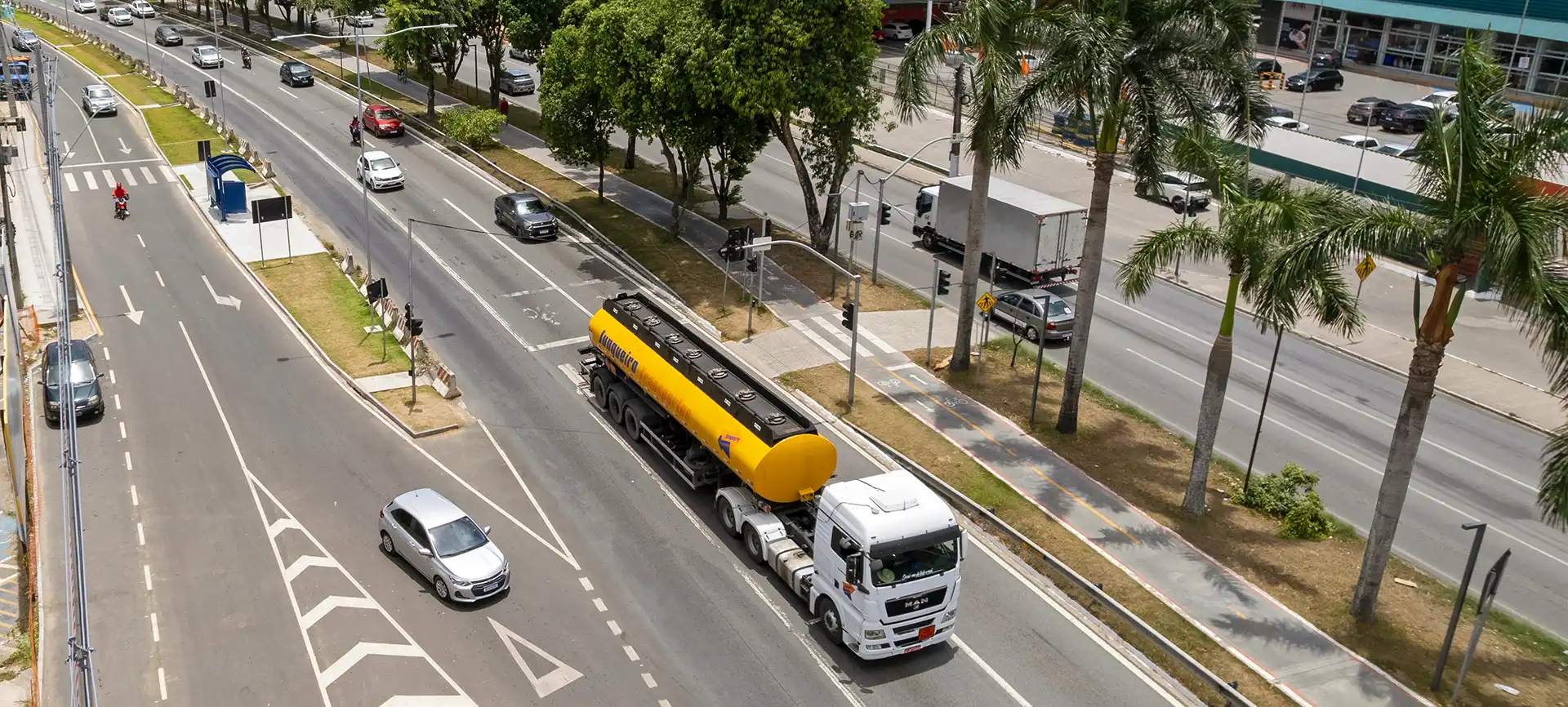
In the first phase of the project, a 2.2-kilometer section between Horto Park and the Tupan interchange was delivered, featuring new parallel lanes, accessible sidewalks, a drainage system, a modern electrical network, and LED lighting. At the beginning of the year, a 1-kilometer section of Phase 2, in the Downtown-Airport direction, from the Tupan interchange to Stella Maris Steakhouse, was completed and opened to vehicle and pedestrian traffic. Work continues in the opposite direction (Airport-Downtown). Overall, Phase 2 of the project spans 3.8 kilometers, extending from the Tupan interchange to the BR-316 overpass. The bike lane along the entire length of Durval de Góes Monteiro Avenue has already been completed, providing 5.7 kilometers of safe cycling infrastructure.
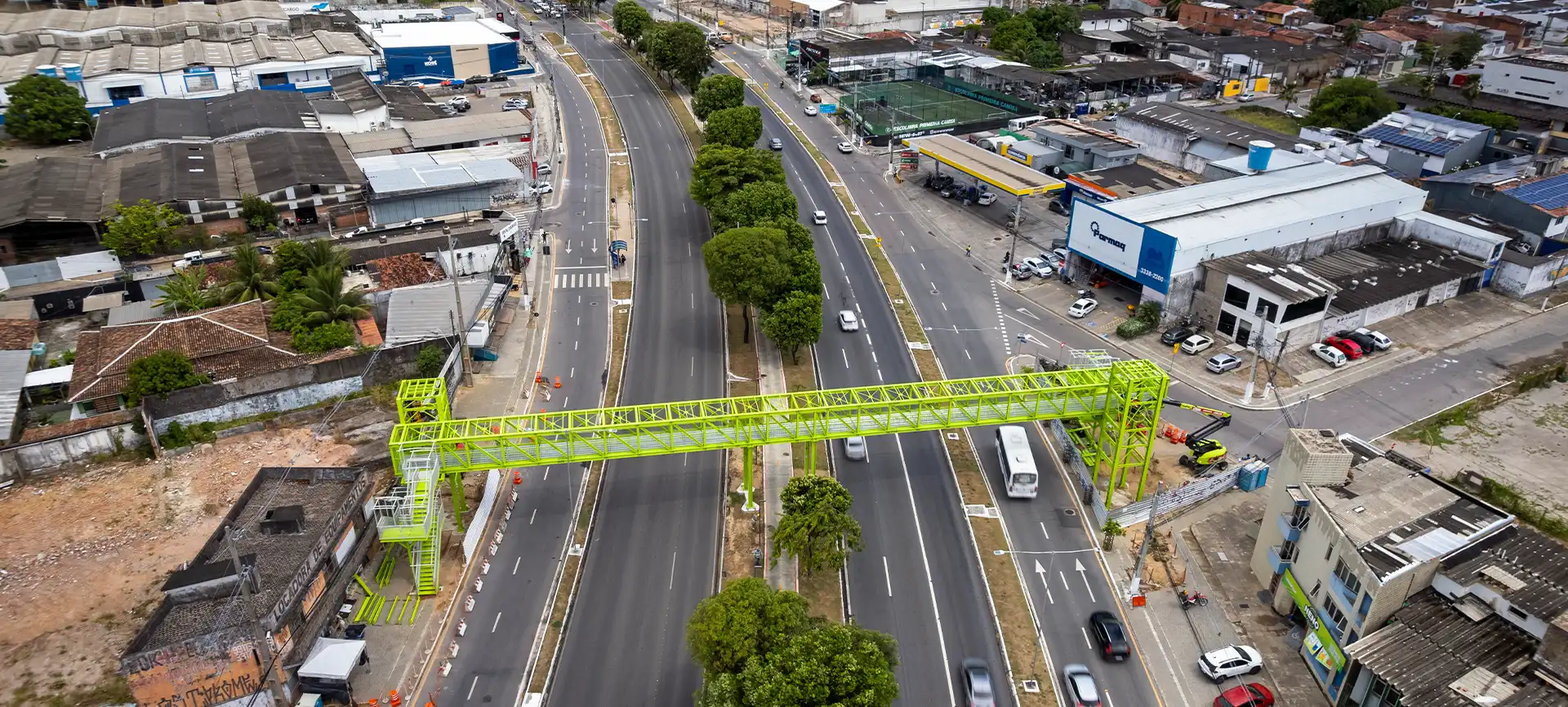
A new, modern pedestrian overpass is also being installed near the Canaã area. The metal structure is 61 meters long, 5.7 meters high, and includes two elevators with a capacity for up to 18 people each. Drivers along Menino Marcelo Avenue have also seen changes to their daily commute with the construction of a new 1.8-kilometer lateral lane in the Downtown direction. This section now includes a bike lane, accessible sidewalks, a new electrical network, and public lighting.
New Connecting Road
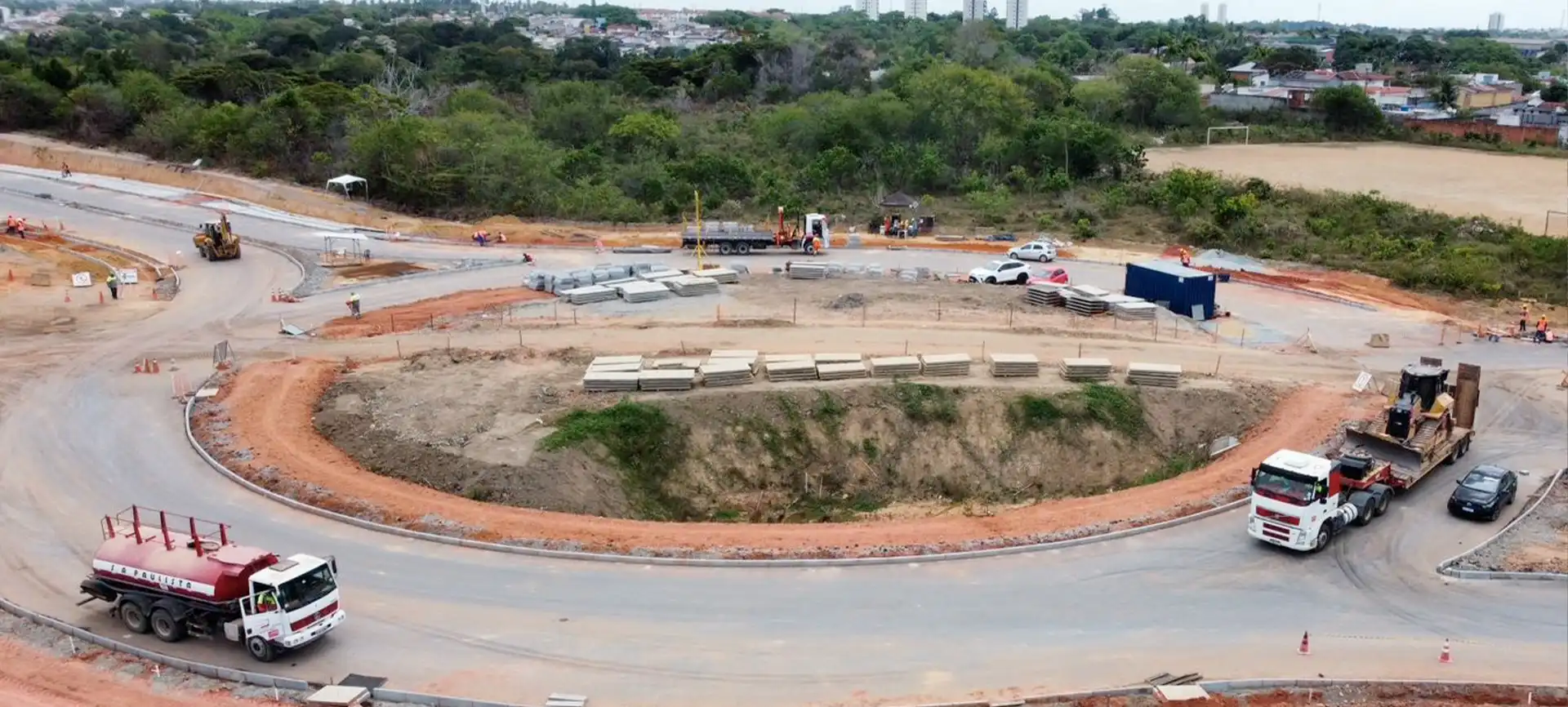
The New Connecting Road linking neighborhoods in the upper part of the city is approximately 75% complete. The 2.3-kilometer expressway, featuring two 7-meter-wide lanes in each direction and two bridges measuring over 100 meters each, is being built between the intersection of Galba Novaes de Castro Street on Durval de Góes Monteiro Avenue and the intersection of Audálio Lopes da Silva Street on Menino Marcelo Avenue. The project includes a central median, a roundabout, bike lanes, accessible sidewalks, modern public lighting, and urban furniture such as bus stops.
Other Projects
In areas connecting the upper part of Maceió to the downtown region, additional projects have been carried out to improve vehicle flow and pedestrian mobility. In Chã da Jaqueira and the surrounding areas, approximately 8 kilometers of roads were rehabilitated across 12 streets and avenues. In Bebedouro, the Calmon One-Way Pair was created following pavement and signage upgrades on several streets around Calmon Hill. The interventions also included restoration of the stormwater drainage system along each corridor, forming a comprehensive set of structural improvements.
Technology in Traffic Management
Mobility initiatives also include the use of technology to improve traffic flow. Twenty-six video monitoring points have been installed at strategic locations throughout the city, covering 74 traffic lanes across 17 roads. Smart traffic lights, which automatically adjust signal timing based on vehicle flow, are now operating at 30 intersections along the Durval de Góes Monteiro-Fernandes Lima corridor. To manage these new systems, an Operations Control Center (OCC) was established at the Municipal Department of Transportation and Traffic (DMTT).
Underway
Important projects are planned to increase traffic capacity on roads surrounding Fernandes Lima Avenue. José da Silveira Camerino Street will be widened and transformed into a new connection axis for traffic coming from the upper part of the city. The road will provide an alternative route from Fernandes Lima Avenue, near Horto Park, toward Teobaldo Hill, Cambona, and Afrânio Lages Avenue. Implementation of this new system is currently in its initial phase.
Urban Mobility
The implementation of measures to enhance urban mobility is part of the Socio-Environmental Agreement signed in December 2020 by the Federal Public Ministry (MPF) and Braskem, with participation from the State Public Ministry (MPE) and support from the Municipality of Maceió. The initiatives continue with an initial BRL 360-million budget, adjusted annually, paid by Braskem. The interventions are planned by the municipality and overseen by the government.